
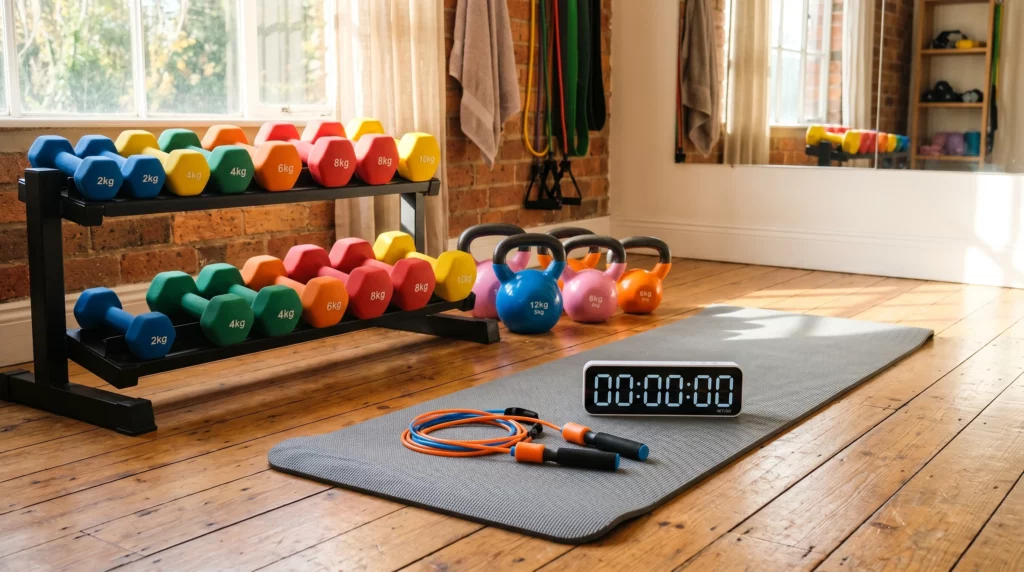
HIIT, short for High Intensity Interval Training, is a workout style that mixes short bursts of all out effort with brief periods of rest or lighter activity. It’s popular because you don’t need hours in the gym, but you still get a solid workout that challenges both your muscles and your heart. If you’re curious about what HIIT is and why it’s so talked about in fitness circles, you’re in the right place. I’ve pulled together everything I think beginners need to know to get started.
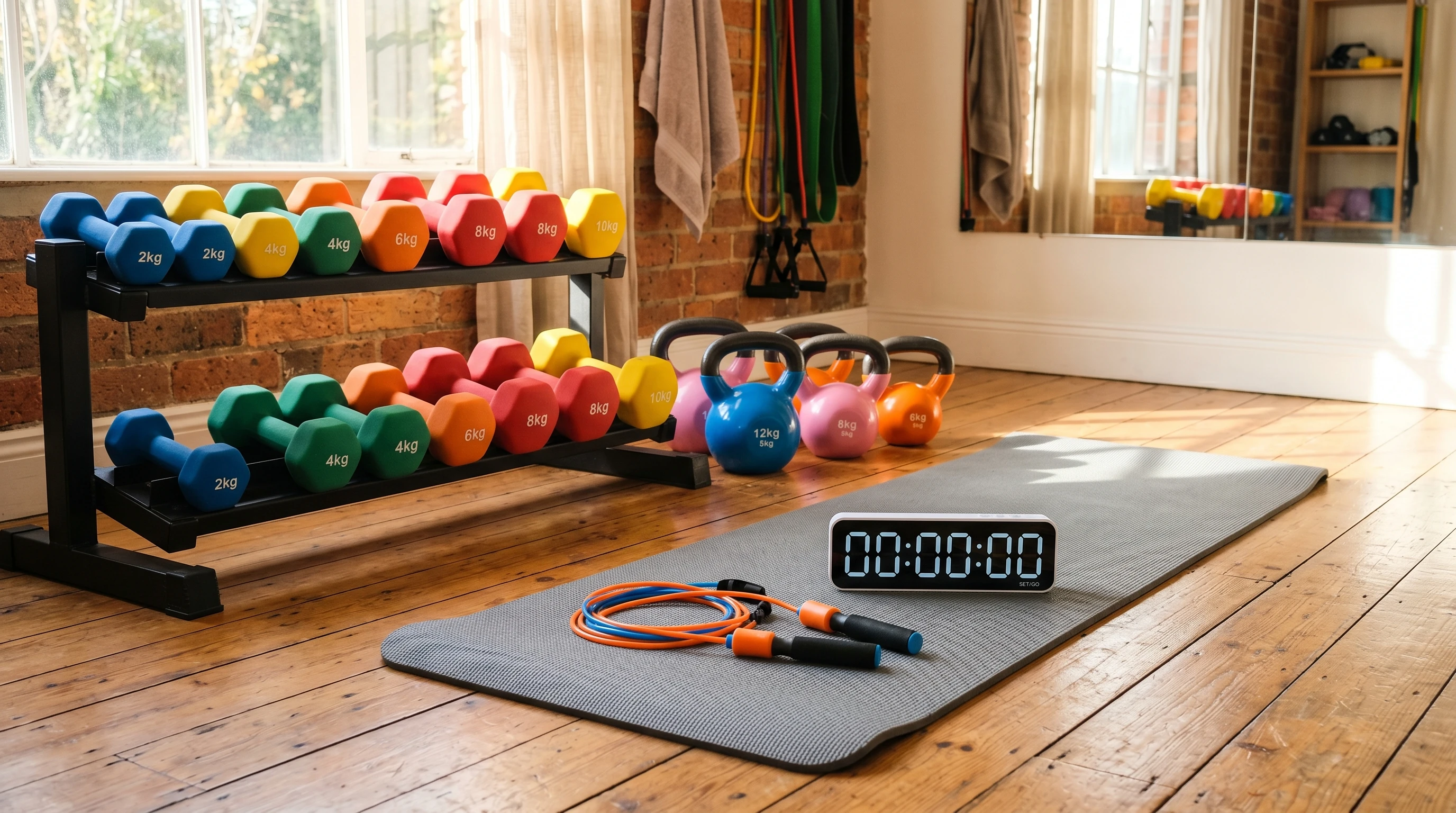
Understanding HIIT: The Basics Explained
HIIT stands for High Intensity Interval Training. It’s based on a simple idea: push yourself hard for a short period, then take a break or scale it down before ramping things up again. This cycle goes on for several rounds, so you end up with a session that’s tough but usually done in 30 minutes or less.
What makes HIIT pretty handy is its flexibility. You can do HIIT with just bodyweight moves, like squats, pushups, or jumping jacks, or with equipment such as dumbbells, spin bikes, or even jump ropes. The core principle is always the same: switch between high intensity bursts and low intensity recovery.
One thing beginners should know is that HIIT isn’t meant to be done every single day because it’s intense. Recovery is really important for getting the benefits without burning out or risking injury.
Why HIIT Has Become So Popular
HIIT has taken off in fitness communities worldwide. The main reason? It fits into busy schedules but still delivers results. Even as early as 2014, fitness surveys started flagging HIIT as a top trend. Over the last decade, plenty of studies have backed up the benefits, like improved cardiovascular fitness and calorie burn long after you’ve finished your session.
If you’ve ever felt like you don’t have enough time for exercise, HIIT throws out that excuse by getting workouts done in as little as 15 to 20 minutes. Not bad for anyone juggling work, family, and other commitments.
Key Terms HIIT Beginners Will Hear Often
- Interval: This is a segment of exercise, either high effort or recovery. For example, 40 seconds of sprinting followed by 20 seconds walking is one HIIT interval.
- High Intensity: Here, you’re working hard, usually at 80–95% of your maximum effort. Breathing feels heavy and you can’t chat easily during these periods.
- Recovery: Your break phase, usually active rest like slow walking or gentle stretching. It’s not total rest, just enough to get your breath back.
- Tabata: A specific kind of HIIT, it’s 20 seconds work and 10 seconds rest, repeating eight times for a quick four minute round.
Quick Start Guide: How to Try HIIT for the First Time
Jumping into HIIT is simple if you set your pace and focus on good form over speed. Here’s what starting out might look like:
- Pick Your Moves: Choose three or four exercises like squats, mountain climbers, and jump rope.
- Set Up Your Timer: A classic interval to try is 30 seconds of hard work followed by 30 seconds of rest. Repeat a few rounds for each move.
- Warm Up First: Get your muscles ready with a light jog, some arm circles, or dynamic stretches for five minutes.
- Focus on Intensity and Recovery: Give those work intervals your best shot but use the rest phases to really catch your breath.
- Cool Down and Stretch: Always wind things down with slow stretches or gentle movement to help your muscles recover.
Starting with two or three HIIT sessions per week is easier on your recovery and helps build a base without going overboard.
Things to Think About Before Starting HIIT
HIIT isn’t for everyone, but a lot of people can benefit if they start slowly. Here are a few things to be aware of as a beginner:
- Physical Limits: Some health conditions, like heart issues or joint problems, mean HIIT might not be the best fit. Checking with a healthcare provider first is always smart.
- Good Form: High speed often makes form slip, but technique is super important in HIIT. Moving too fast with sloppy form can cause injuries, especially with jumping or explosive moves.
- Recovery Needs: Because HIIT asks a lot from your heart and muscles, you’ll feel more tired than with light cardio. Rest days are your friend, not a shortcut.
- Understanding Your Effort: HIIT should feel tough but not unbearable. Pushing to total exhaustion every session isn’t necessary, or even useful, for most beginners.
Smart Tips for Managing HIIT as a Newbie
Taking breaks between sessions, switching up exercises to keep things interesting, and listening to how your body responds all help you stick with HIIT safely. Using a timer app or music playlist can make workouts more fun and keep you on track without staring at the clock. Remember, progress is about consistency, more than just intensity.
Advanced HIIT Tips for When You’re Ready
After a few months of steady HIIT sessions, you might want to mix up your approach. These ideas can keep things moving in the right direction:
- Increase Work Time: Stretch intervals to 45 seconds of work with shorter rest breaks as your fitness improves.
- Add Resistance: Mix in light dumbbells, resistance bands, or a weighted vest for extra challenge.
- Try New Formats: Sample Tabata, pyramid intervals, or EMOMs (Every Minute on the Minute) to keep things interesting.
- Include Moves for Balance: A good HIIT session isn’t just jumps and sprints. Add in planks, pushups, or lunges for well rounded strength and injury prevention.
Tracking your intervals, either with a fitness tracker or just jotting down progress, keeps you motivated and helps you spot improvements. When exercises start to feel easier, it’s time to bump up the intensity, switch your exercises, or try something new. It keeps your body guessing and boosts motivation.
If at any point your HIIT sessions start feeling too easy, it’s a good sign you’ve built more endurance and it might be time to switch up your moves. Some people also experiment with longer total sessions or adding more complex moves, such as burpee tuck jumps or alternating single leg squats, to add a challenge.
Best HIIT Workouts for Beginners: Sample Ideas
If you’re still unsure where to start, here are two simple routines I like for first timers. These give you a taste of HIIT without making things too technical:
- Bodyweight Blast: 30 seconds each of jumping jacks, pushups, bodyweight squats, and high knees. Rest 30 seconds between moves. Repeat for three to four rounds.
- Cardio Focused: 30 seconds fast marching or jogging in place, 30 seconds rest, 30 seconds mountain climbers, 30 seconds rest, 30 seconds burpees (or just stepbacks if burpees feel tough), 30 seconds rest. Repeat for three rounds.
HIIT doesn’t have to be fancy. Even simple moves, when done with good effort, give you a real workout. Changing the order or moves each session keeps it feeling fresh and helps you stay engaged. Once you’re comfortable, feel free to insert your favorite moves or combine routines for extra variety.
HIIT and Its Benefits (and a Few Downsides)
Main Benefits: HIIT’s big draw is efficiency; you pack a lot into a short time and train your heart, lungs, and muscles together. People often see improved endurance, a faster metabolism, and sometimes more fat loss compared to steady state cardio in the same amount of time.
Things to Watch For: If you push too hard or skip rest, HIIT can leave you feeling drained or lead to overuse injuries. That’s why listening to your body is really important, especially in the first months.
- Efficient Calorie Burn: HIIT keeps your metabolism boosted even after you finish, sometimes called the “afterburn effect.”
- Flexible and Adaptable: Use it at the gym, in a park, or in your living room. Works with equipment or just bodyweight.
- Builds Both Strength and Endurance: Doing strength and cardio together means you get well rounded results.
- Progress Shows Up Fast: Improvements in fitness can pop up in a few weeks, which helps with motivation.
It’s also important to remember that HIIT isn’t the only way to get fit. Mixing it with other workouts, like yoga or slow paced walks, keeps your routine balanced and more sustainable in the long term. For people recovering from injuries, sustained low impact exercise may be preferable for a while.
Frequently Asked Questions About HIIT
Here are some things people ask about HIIT all the time. If you’re new, you’ll probably find these helpful:
Question: Can I do HIIT if I’m not super fit yet?
Answer: Totally! HIIT works for beginners as long as you pick the right intensity for where you’re at. Slow things down when you need to or swap out jumping with low impact options; it still counts.
Question: How many times a week should I do HIIT?
Answer: Two or three sessions per week is a nice starting point. More isn’t always better. Giving your body time to recover is what helps you actually get results and avoid burnout.
Question: Is HIIT better than regular cardio?
Answer: It depends on your goals. HIIT burns plenty of calories and builds endurance fast, but steadystate cardio (like brisk walking or slow cycling) is easier to recover from and can be useful for lower stress activity days. Both methods have their place in a well rounded routine.
HIIT for Everyday Fitness
HIIT fits into almost any lifestyle. Plenty of people use it because they want solid results without committing to long gym sessions. If you have medical concerns, checking in with a physician or a trainer is wise, especially before jumping right into high intensity work. With the right approach, HIIT becomes another tool in your fitness kit; helping you get stronger, faster, and more energized using short, focused workouts.
Trying out HIIT for yourself helps you see what all the buzz is about. Mix it in with your usual fitness routine, switch up your intervals, and watch how quickly you can upgrade your overall health and stamina. Consistency, good form, and smart recovery are key for anyone just beginning their HIIT adventure. Multiple studies continue to show that HIIT is not just a trend; it’s a lasting, practical way to stay fit for busy people of nearly any age. If you’re ready to see improvements in less time, HIIT might be your go-to workout style. Remember to prioritize safety, keep things fun, and step up the challenge when you’re ready.