

HIIT workouts, or High Intensity Interval Training, have become really popular for people new to fitness. You alternate between bursts of high effort and quick recovery breaks, squeezing a lot of training into way less time than usual workouts. If you’ve been curious about HIIT or want to make gym time more efficient, it’s worth learning why this approach is pretty handy for beginners.
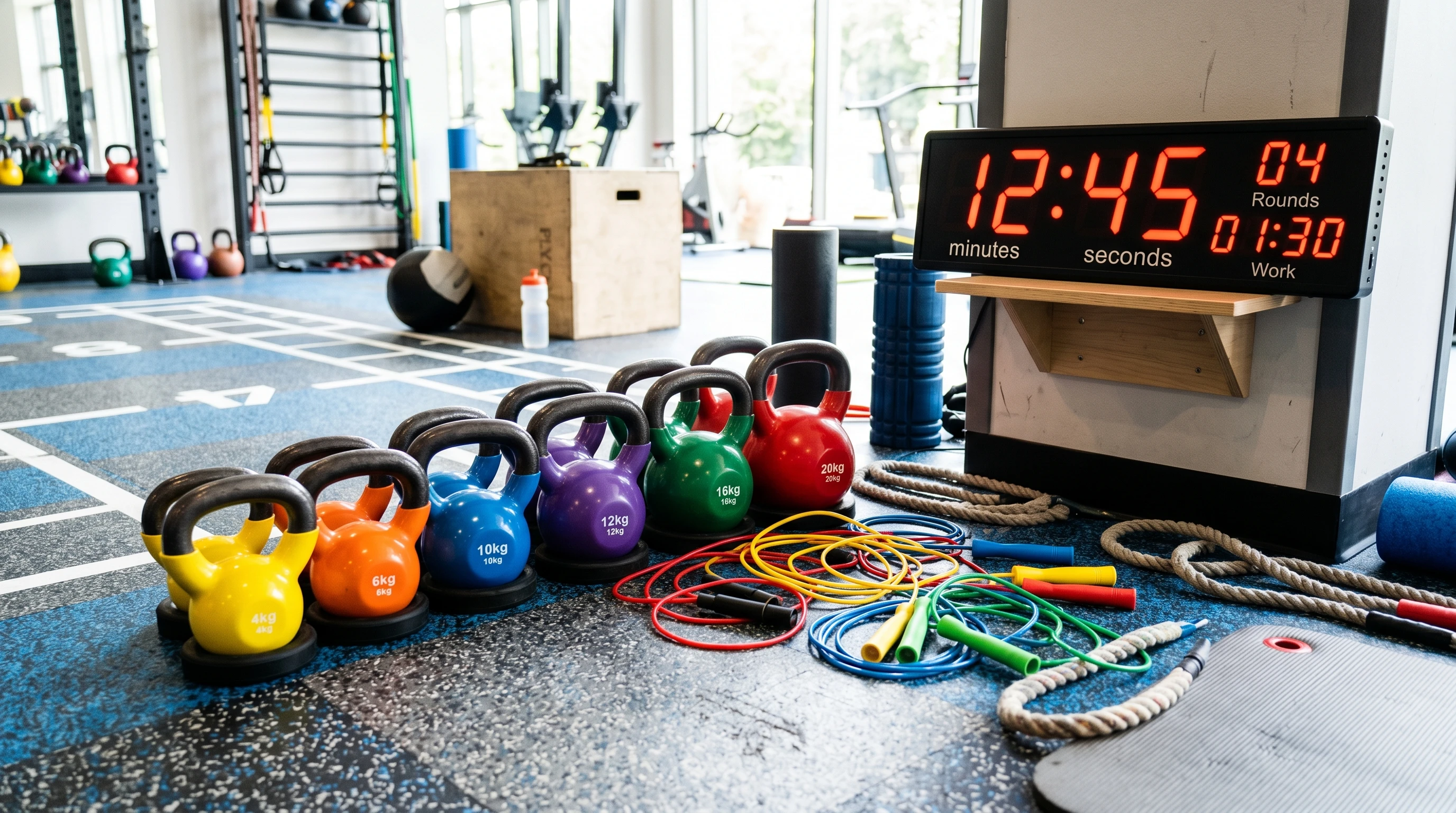
HIIT Workouts: Why They’re a Good Fit for Beginners
A lot of people starting out want something effective but aren’t keen on spending hours lifting weights or running on a treadmill. HIIT gives you a way to mix things up without a bunch of equipment or complicated routines. Science backs it up too; research posted on the National Institutes of Health website shows that HIIT boosts fitness levels and burns fat even in folks who haven’t trained before.
Most HIIT routines swap between short spikes of intense exercise (think sprinting, jump squats, burpees) and periods of low effort or rest. This pattern isn’t just easier to stick with, it also jumpstarts results by working your heart and muscles in less time.
Getting Started with HIIT: The Basics
You don’t need fancy gear or a gym membership to get rolling. In fact, most HIIT workouts use bodyweight moves so you can get started at home or anywhere there’s space. Still, knowing a few key terms can help:
- Interval: Each round of work or rest in a HIIT session. For example, 30 seconds of jump lunges, then 30 seconds of rest.
- Work to rest ratio: This tells you how much time you spend pushing yourself versus recovering. A popular ratio is 1:1 (30 seconds on, 30 seconds off), but some beginners might start with 1:2 (20 seconds work, 40 seconds rest) to build up stamina.
- Rounds: Repeated cycles of intervals. A full HIIT workout usually repeats the same set of moves for 4 to 8 rounds.
Step By Step Guide: Starting Your First HIIT Routine
HIIT is easy to tailor to just about anyone, but there are a few things worth keeping in mind when you’re new:
- Pick Simple Moves: Think jumping jacks, high knees, or bodyweight squats—nothing that requires advanced skills right away.
- Keep Your Intervals Short: 20 to 30 seconds for high effort is plenty for starting out. Your rest time can match or even double if you need.
- Don’t Overdo It: Stick to two or three rounds of just four to six moves, twice a week while your body gets used to the intensity.
- Warm Up and Cool Down: Always build in a few minutes of gentle movement and stretching before and after, so you avoid cramping or soreness later.
- Listen to Your Body: HIIT is meant to push you, but you shouldn’t feel dizzy or breathless for long afterward. Pause if you need recovery.
If you’re not sure how to put a routine together, there are tons of free HIIT timers and workout guides worth checking out on YouTube or fitness apps. You can find beginner-friendly playlists with demonstrations and even modifications, making it simple and safe to follow along at your pace.
What to Watch For: HIIT Challenges and Solutions
Every workout style has its learning curve, and HIIT isn’t any different. Understanding what you might run into makes it easier to stay motivated and safe.
- Pacing: A lot of beginners go all in too fast, burning out after only a few sets. It’s better to start with fewer rounds at a comfortable pace and slowly add challenge as you feel stronger.
- Technique: Proper form matters way more than speed. Rushing through reps can cause injuries. Take your time and focus on good movement, especially in exercises like burpees or mountain climbers.
- Recovery: HIIT uses a lot of energy, so scheduling rest days really helps. If you’re sore or tired, give your body a break; rest helps your muscles rebuild.
- Consistency: Missing a workout or two isn’t a disaster. The real progress comes from regular sessions, even if they’re short.
Pacing Yourself
Going too hard, too early is the quickest way to lose motivation or get hurt. If you’re new, try 20 seconds of work followed by 40 seconds of rest for 10 to 15 minutes, twice a week. When moves start to feel easier, just add extra rounds or shave a few seconds off rest periods.
Technique Before Speed
Taking a moment to check your form, especially for moves like pushups or squats, pays off. Even if you go a bit slower, you’ll benefit more and avoid tweaks or strains.
Not Forgetting Recovery Days
Rest isn’t just for advanced athletes. Beginners can see bigger improvements by letting their muscles recover. I try not to do HIIT two days in a row; gentle activities like walking or yoga help me stay active without overdoing it.
Practical Benefits of HIIT for Beginners
- Time Saving: Workouts are usually just 15 to 30 minutes, making them a good match for busy schedules.
- Boosts Overall Fitness Fast: Even two or three short sessions per week can improve cardio, muscle tone, and stamina within just a few weeks.
- No Special Gear Needed: HIIT is flexible enough to use bodyweight moves, resistance bands, or dumbbells, whatever you have on hand.
- Fits Any Fitness Level: You’re always controlling your own pace. Exercise intensity can be adjusted so total beginners and more advanced folks can both get a challenge.
- Cardio and Strength Together: Unlike some routines that focus only on one area, HIIT typically hits your heart, lungs, legs, and upper body all at once.
- Improved Metabolism: Some studies show high intensity workouts help your body burn calories at a faster rate, even after you’ve finished the session.
All these points can make HIIT a solid choice for anyone just starting out, especially if you want more results in less time and don’t want to buy lots of equipment.
Real World Example: Building a Beginner HIIT Session
If you want to see how this all fits together, here’s a bodyweight HIIT session I recommend for first timers:
- 20 seconds jumping jacks
- 20 seconds rest
- 20 seconds bodyweight squats
- 20 seconds rest
- 20 seconds pushups (on knees if needed)
- 20 seconds rest
- 20 seconds high knees
- 20 seconds rest
- 20 seconds mountain climbers
- Rest for 1 minute
Repeat the circuit up to three times, or once if you’re really just starting out. Don’t forget to go at your own pace! After a couple of weeks, try mixing up the exercises or making intervals a little longer to keep things fresh.
Frequently Asked Questions
Some common things I hear from newcomers thinking about HIIT:
Question: How many times a week should I do HIIT as a beginner?
Answer: For most beginners, two or three sessions per week is plenty. You can adjust up or down if you need more recovery.
Question: Is HIIT safe for everyone?
Answer: HIIT is safe for most healthy people, but if you have heart problems, joint issues, or a chronic illness, it’s smart to talk with a doctor or a certified trainer before starting.
Question: What if I can’t do a certain move?
Answer: Almost every HIIT exercise can be swapped or modified. For example, do step jacks instead of jump jacks or use a chair for incline pushups.
Question: Do I need to track my progress?
Answer: While beginners don’t have to, keeping a simple log of your workouts and how you feel after each session can motivate you and show your progress. If you want to get the most out of HIIT, jot a quick note on your intensity or performance each time—over time, you’ll see just how far you’ve come.
Why HIIT is Worth Trying for Beginners
HIIT can be a great entry point for people brand new to working out. It’s flexible, doesn’t take much time, scales to all fitness levels, and gets serious results. Regular HIIT sessions aren’t just about burning calories; they help you feel stronger, move better, and enjoy your workouts.
If you’re ready for a fresh approach to fitness, HIIT is definitely worth considering. Just remember to start slow, focus on solid form, and keep it consistent. Progress will follow, and sticking to it can make working out feel a whole lot more rewarding.