

HIIT, or high intensity interval training, always pops up on fitness blogs and throughout social media. If you’ve ever chatted with a gym buddy or scrolled through workout advice online, you’ve probably heard a bunch of claims about how HIIT works, or doesn’t. Some of these get repeated so much that they start feeling like facts. It’s pretty common to find people swearing by their favorite short, sweat-drenched routines, while others get scared off by what they’ve heard. Today I’m taking a closer look at the top myths about HIIT and sharing my own experience getting up to speed with this style of training. Here’s what matters, what doesn’t, and what you really need to know if you’re thinking about adding HIIT to your fitness routine.
Why All the Confusion Around HIIT?
HIIT is everywhere for a reason. The blend of short bursts of intense effort with quick rest periods claims to torch calories and save time. Marketers hype it as a miracle solution for busy people and folks wanting fast results. This flood of promises creates a lot of noise and not enough clear answers. The reality sits somewhere in the middle, and the details actually matter. I remember being overwhelmed at first, not knowing what advice to listen to, and realizing later that lots of common “facts” about HIIT are just plain wrong.
Whether you’re just starting out or reconsidering how you approach your sweat sessions, understanding what’s real (and what’s not) helps you get more from your training without burning out, getting hurt, or wasting your time.
The Top HIIT Myths and What You Should Know
HIIT Is Just for Hardcore Athletes
This claim probably holds back more people than anything else. It’s super common to assume HIIT means pushing to extreme exhaustion, with only elite or highly conditioned athletes able to handle it without collapsing. The truth is HIIT scales to just about any fitness level.
- Reality: HIIT is easily modified. Work intervals, rest breaks, and chosen exercises all change depending on your abilities. I started doing HIIT with basic bodyweight movements like air squats and modified planks, taking longer rest breaks until I built up enough stamina to try tougher intervals.
- Practical Tip: Newbies can try beginner HIIT routines, focusing on safe, controlled movement instead of maximum speed or weight. Gradually shortening rest time or adding low impact moves makes things challenging without being overwhelming.
HIIT Is the Best Way to Lose Fat
You’ll see this myth all over social media: “HIIT melts belly fat” or “HIIT is the fastest way to shred.” The calorie burn from a single HIIT session is often hyped above all else. While HIIT can contribute to fat loss, there’s more to the story.
- Reality: Sustainable fat loss always comes from consistent calorie balance, burning more calories than you take in. HIIT can boost your metabolism and burn calories efficiently, but it’s only part of the equation. Nutrition and overall lifestyle choices play a much bigger role.
- Practical Tip: Mix HIIT with moderate cardio, resistance training, and meal habits that fit your needs. Don’t expect a few short HIIT sessions to erase a week of late night snacks.
Longer HIIT Workouts Are Better
It’s super tempting to think if a little is good, more will be amazing. HIIT depends on pushing yourself hard and then resting, but sessions that drag on lose their effectiveness. The intensity drops as you get tired, and quality declines.
- Reality: Most effective HIIT routines last 10 to 30 minutes. After that, fatigue sets in, and you’re unlikely to keep up the required intensity. My early mistake was adding “just one more” round, but it left me dragging and less motivated next time.
- Practical Tip: Prioritize high effort during work periods, not duration. Listen to your body, stick to planned intervals, and keep workouts short and focused for the best results.
HIIT Can Replace All Other Workouts
Some HIIT fans claim you can skip other forms of exercise, tossing out steady state cardio, mobility, or strength work in favor of quick intervals. This idea ignores the broader benefits of a balanced routine.
- Reality: HIIT is awesome for heart health, endurance, and calorie burn, but it doesn’t cover everything. Skipping strength training impacts muscle growth and joint health. Ditching regular cardio means you’re missing steadystate benefits, like mental relaxation and aerobic conditioning.
- Practical Tip: Rotate HIIT sessions with resistance training, walks, or yoga. A mix of routines helps prevent overuse injuries and keeps workouts interesting.
You Should Feel Completely Exhausted After Every HIIT Session
This myth lurks in a lot of online advice: “If you’re not wiped out, you didn’t do HIIT right.” Chasing exhaustion, though, can push you into burnout or even injury.
- Reality: The goal with HIIT is temporary discomfort, not total exhaustion. Short bursts should be challenging, but you shouldn’t feel wrecked for days. In my own routines, pacing myself left me energized rather than flattened.
- Practical Tip: If you find yourself dreading workouts or your form falls apart midway, it’s smarter to scale back and recover. Quality beats quantity every time.
How HIIT Actually Works
HIIT isn’t magic. It’s just a smart application of exercise science. You perform periods of hard effort, like sprinting or burpees, working as hard as you can, then follow that up with rest or lighter movement. By alternating intensity, you boost your heart rate, breathe harder, and use more energy.
Studies (like those reviewed by ACE Fitness and Harvard Health) show HIIT can improve cardiovascular health, lower blood sugar, and encourage fitness gains in less time than traditional cardio. The “afterburn” effect, or EPOC (excess post exercise oxygen consumption), means you’ll burn a few extra calories after you finish, but not as much as some hype suggests.
Key HIIT Terms to Know
- Work interval: The period where you push yourself. Think sprinting, jump squats, or cycling hard. Usually lasts 20 to 60 seconds.
- Rest interval: The break or low intensity period between efforts. Active rest, like walking, or total rest, lasting anywhere from 10 seconds to two minutes depending on your plan.
- Rounds: The number of times you repeat the work rest cycle, often 4 to 10 in a basic session.
What to Watch Out For Before Starting HIIT
Getting into HIIT isn’t just a matter of jumping into the hardest routine out there. Here are a few practical points I wish I knew when I got started:
- Form First: High intensity moves are tough, but sloppy form makes injury much more likely. Practice movements slowly before speeding up.
- Listen to Your Body: An occasional ache or muscle burn is normal, but sharp, sudden pain is a reason to stop and adjust. Overtraining shows up fast with HIIT, so rest and active recovery are super important.
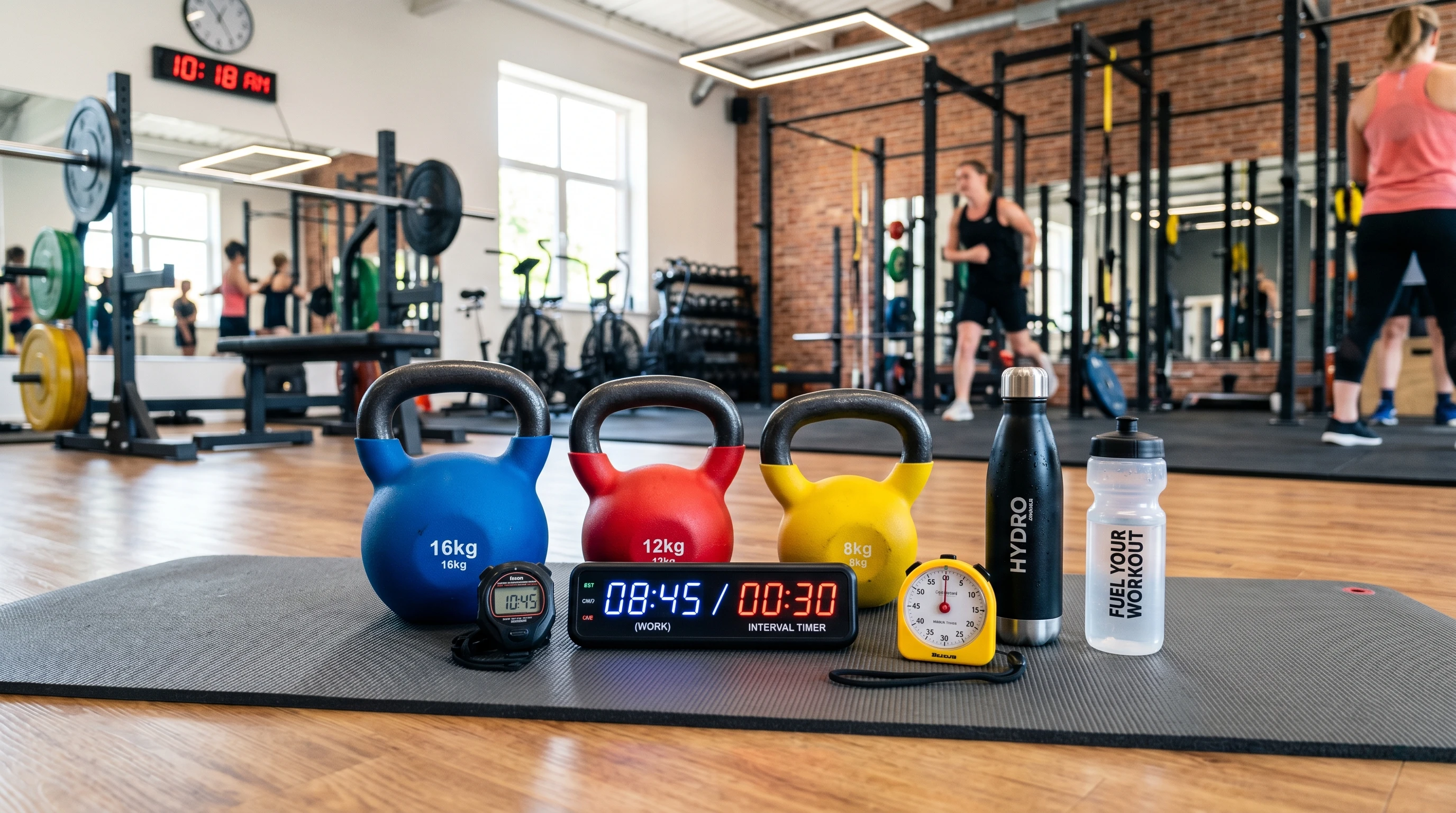
- Space and Gear: HIIT doesn’t require fancy equipment, but having a mat, timer, and maybe some light dumbbells can help. Make sure you’ve got enough room to move safely.
- Warm Up and Cool Down: Rushing straight into max effort isn’t great for your joints or muscles. Warming up first boosts performance and keeps injuries away.
Getting the Most from Your HIIT Sessions
- Short and Sweet: Aim for 20 to 30 minutes, including warm up and cool down.
- Experiment: Mix up exercises, intervals, and rest lengths. Try swapping sprints for jump rope, pushups, or mountain climbers.
- Progress Gradually: Increase intensity or decrease rest every couple of weeks, not session by session.
- Stay Consistent: Consistency brings results. Two or three HIIT sessions per week paired with other workouts is a solid sweet spot.
Common Questions About HIIT
Is HIIT suitable for beginners?
Absolutely. Anyone can start by adjusting the intensity and trying simpler moves first.
Will HIIT burn muscle?
HIIT focuses on keeping muscle while helping burn fat, provided you eat enough protein and train smart. Just don’t use HIIT to replace all your strength workouts.
How many days per week should I do HIIT?
For most people, two or three days per week is plenty. Mixing it with strength, cardio, or flexibility days works well and leaves time for recovery.
Can HIIT be bad for your heart?
For healthy people, HIIT improves cardiovascular performance. Those with medical conditions should check with a doctor before starting, as with any vigorous routine.
Mixing HIIT Into Your Fitness Life
HIIT fits into lots of routines, at home, the gym, or even outside in the park. You can swap out exercises, play with different intervals, or try group classes. Some days, my HIIT sessions involve nothing but lunges and quick steps. Other times, I add kettlebells or jump rope for variety. Finding what keeps you the most engaged goes a long way.
- For Cardio Lovers: Replace a run or cycling session with HIIT intervals once a week for a change in tempo.
- For Strength Fans: Add HIIT finishers, short bursts of intense movement, after lifting sessions.
- For Busy Schedules: MicroHIIT routines, lasting five to fifteen minutes, still count and can boost mood and energy even on packed days.
Taking time to learn what actually works gives you more results and fewer headaches. My own adventure into HIIT taught me to be flexible, question wild claims, and (maybe most important) focus on steady progress. HIIT isn’t a fix all, but it’s a pretty useful tool to have in your fitness kit if you sort fact from fiction and use it wisely.